TECHNOLOGY
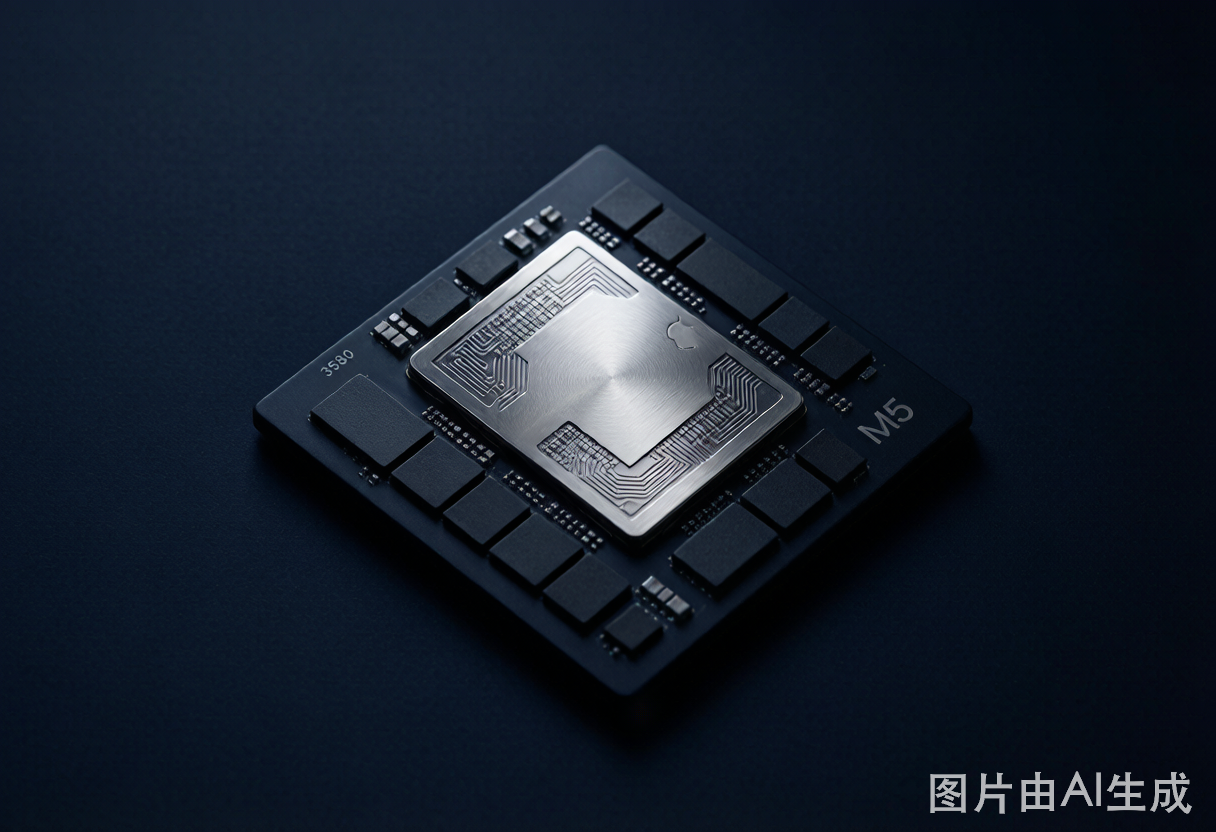
Apple M5 Chip: Performance Benchmarks Leaked Ahead of Launch
Leaked benchmarks suggest Apple's M5 chip achieves 40% faster single-core performance.
NVIDIA and AMD unveil revolutionary AI chip architectures at GTC 2026, claiming performance leaps that could reshape data centers, consumer electronics, and the entire AI ecosystem. We break down what it means for the future of computing.
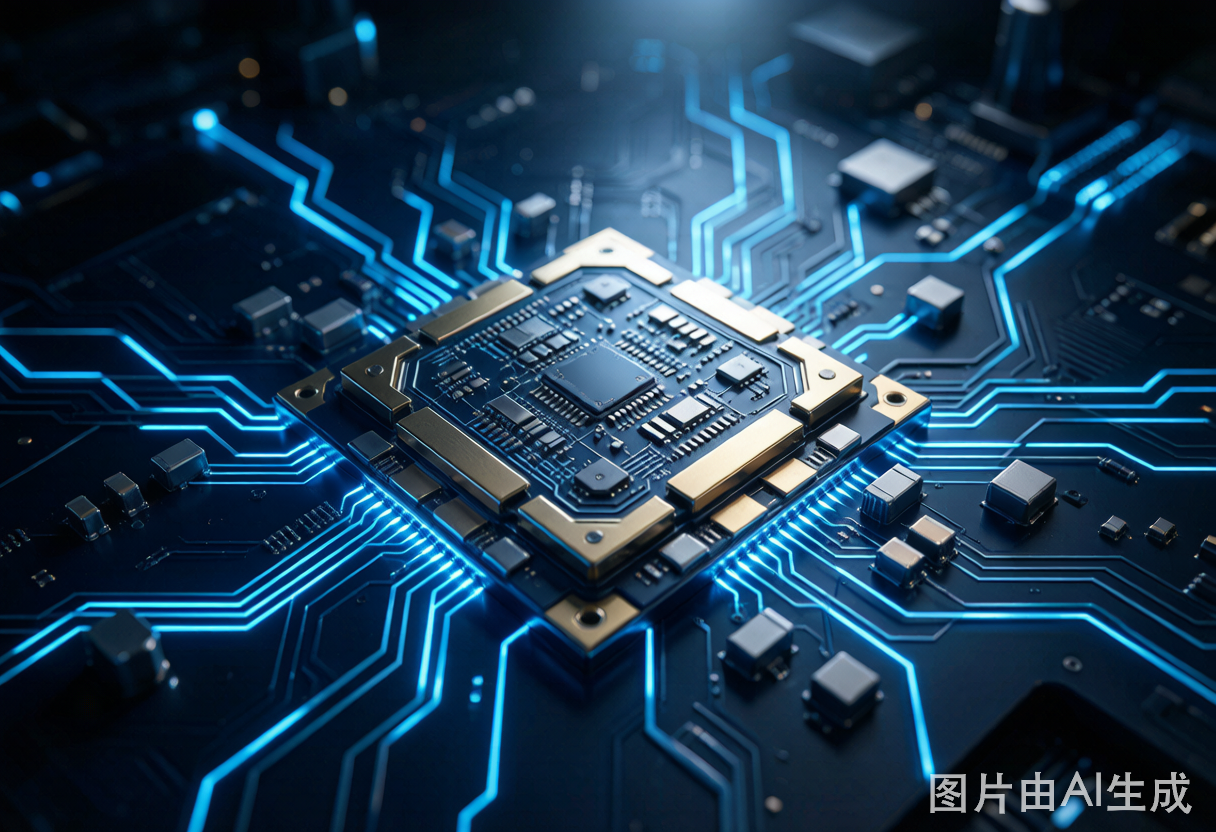
The annual GPU Technology Conference has always been NVIDIA's stage for unveiling its next generation of hardware, but GTC 2026 felt different. CEO Jensen Huang didn't just announce faster GPUs — he announced a fundamental shift in how AI processors are designed, manufactured, and deployed. And for the first time, AMD was on the same stage, revealing its own counter-architecture that promises to challenge NVIDIA's dominance.
Both NVIDIA's Blackwell Ultra and AMD's Instinct MI400 represent a departure from traditional chip design. Instead of optimizing for general-purpose compute and bolting on AI acceleration units, these new processors are neural-first — designed from the ground up for machine learning workloads. The implications are profound: 10x performance gains in AI training, 5x improvements in inference latency, and significant power efficiency gains that could reshape data center economics.
"This isn't an incremental upgrade. We've fundamentally rethought how silicon should serve the AI era. The Von Neumann bottleneck has held us back for decades — neural-first architectures finally break that constraint."
— Jensen Huang, CEO of NVIDIA, GTC 2026 keynote
Data center operators have been grappling with the power and cooling demands of AI training clusters. A single NVIDIA H100 rack consumes roughly 10kW, and large-scale deployments can push facility power budgets to their limits. The Blackwell Ultra's neural-first design claims a 60% reduction in power-per-FLOP, which could translate to meaningful cost savings at scale. Microsoft, Google, and Amazon have already announced pre-orders exceeding $50 billion combined, according to industry analysts at Morgan Stanley.
But the real disruption may come from AMD. The Instinct MI400's open architecture approach — built on the open-source ROCm platform — could appeal to organizations that have been wary of NVIDIA's proprietary CUDA ecosystem. AMD's chiplet-based design also allows more flexible scaling, letting operators mix AI accelerator chiplets with general-purpose compute units on the same package.
Perhaps the most overlooked announcement was NVIDIA's Project Orion: a neural-first processor designed for edge devices. With 8 TOPS of AI performance at under 5 watts, Orion could bring real-time AI inference to smartphones, IoT sensors, and autonomous vehicles without relying on cloud connectivity. This has immediate implications for real-time translation, autonomous driving perception systems, and industrial robotics.
"Edge AI has been constrained by power budgets. Orion changes the equation — we're bringing cloud-class AI inference to battery-powered devices for the first time."
— Dr. Lisa Su, CEO of AMD, GTC 2026 partner keynote
Intel wasn't idle during GTC week. The company quietly released benchmarks for its Gaudi 3 accelerator, showing competitive inference performance at lower price points. Meanwhile, Apple's M5 chip — leaked earlier this month — reportedly integrates dedicated AI acceleration hardware that could challenge NVIDIA's edge computing ambitions. And in China, Huawei's Ascend 910C continues to gain traction in domestic data centers, fueled by geopolitical restrictions on NVIDIA exports.
The bottom line: 2026 marks the end of the general-purpose processor era for AI workloads. Neural-first architectures are here, and the competition between NVIDIA, AMD, Intel, and emerging players will define computing for the next decade. For enterprises, the question isn't whether to adopt these new processors — it's how quickly they can rearchitect their infrastructure to take advantage of the performance leap.
Leaked benchmarks suggest Apple's M5 chip achieves 40% faster single-core performance.

World leaders agree on new cybersecurity frameworks emphasizing AI-driven detection.
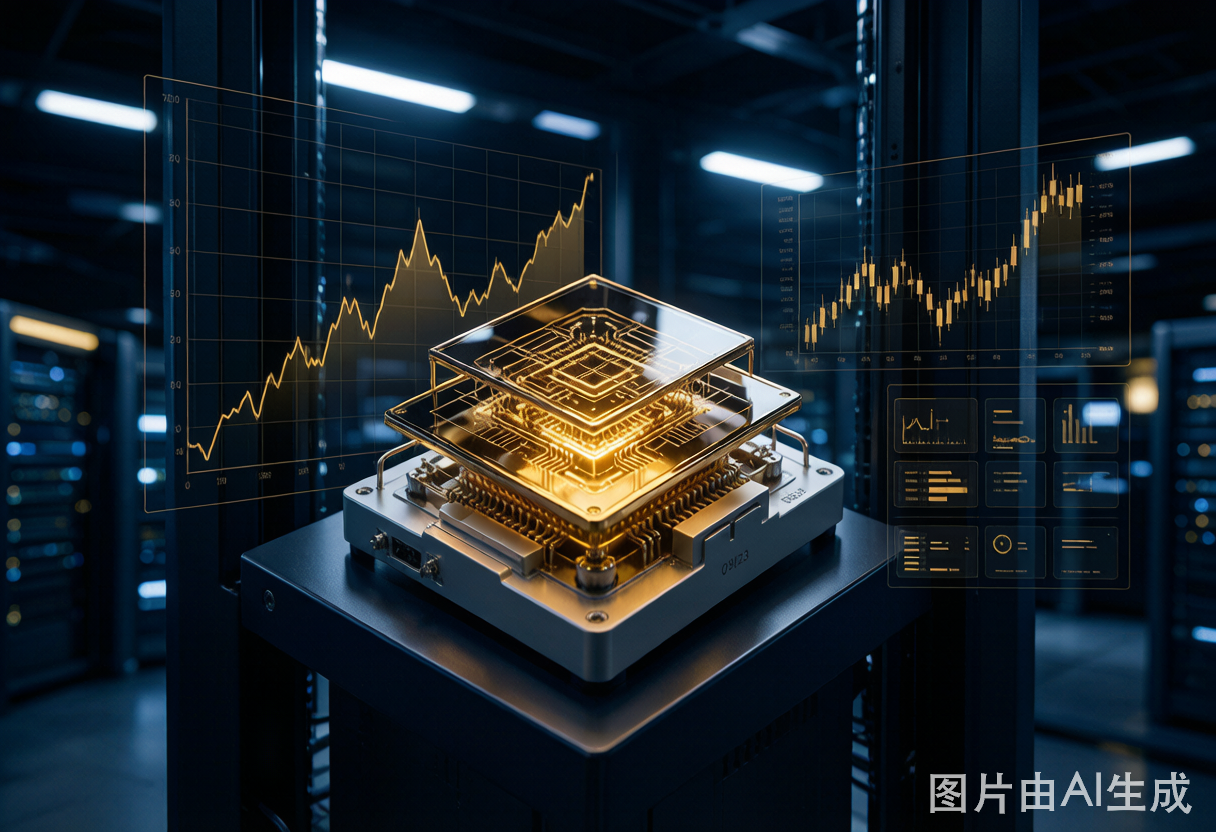
Quantum breakthroughs are transforming financial modeling and algorithmic trading.